
 Image 1 of 4
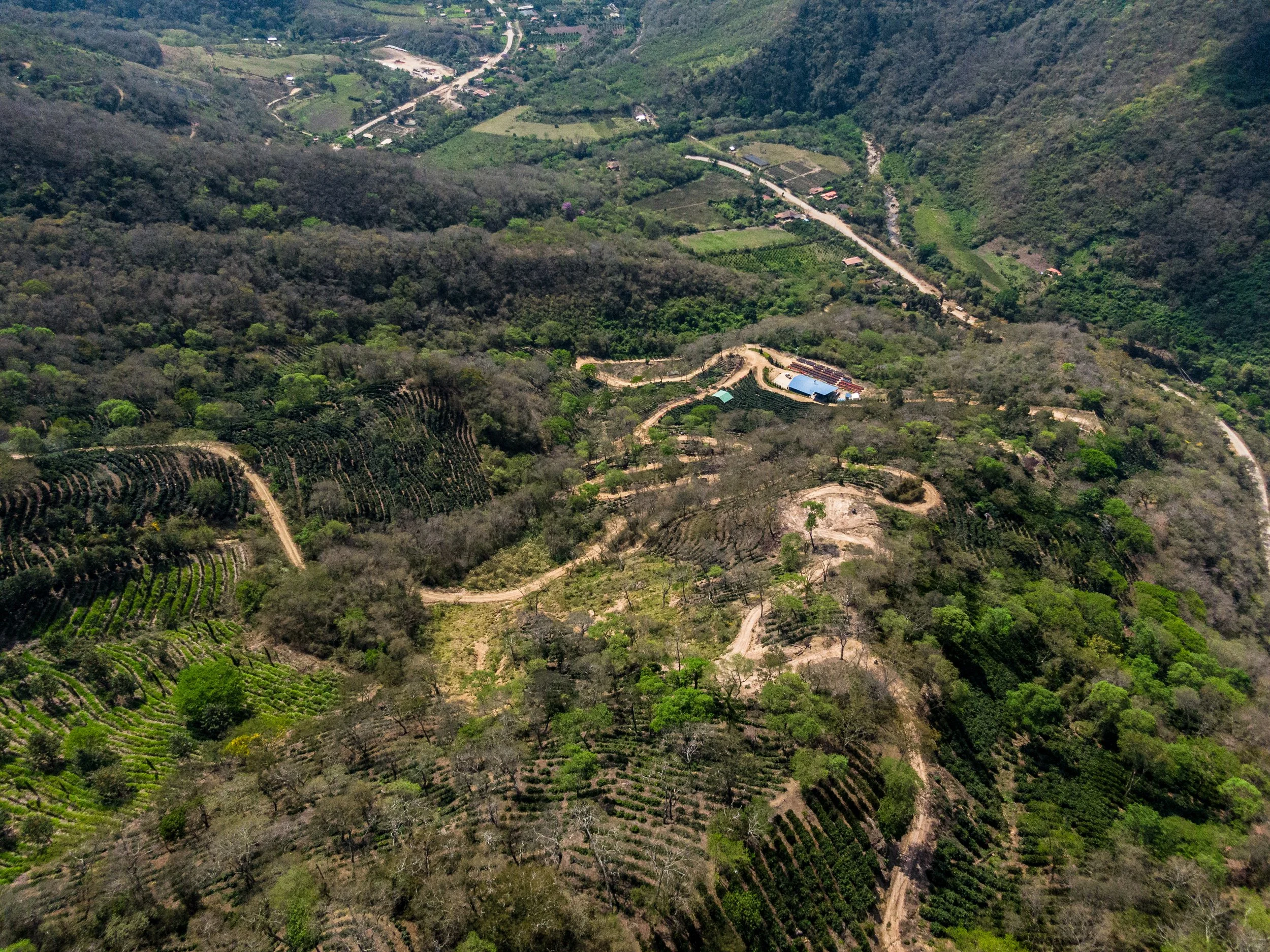 Image 2 of 4
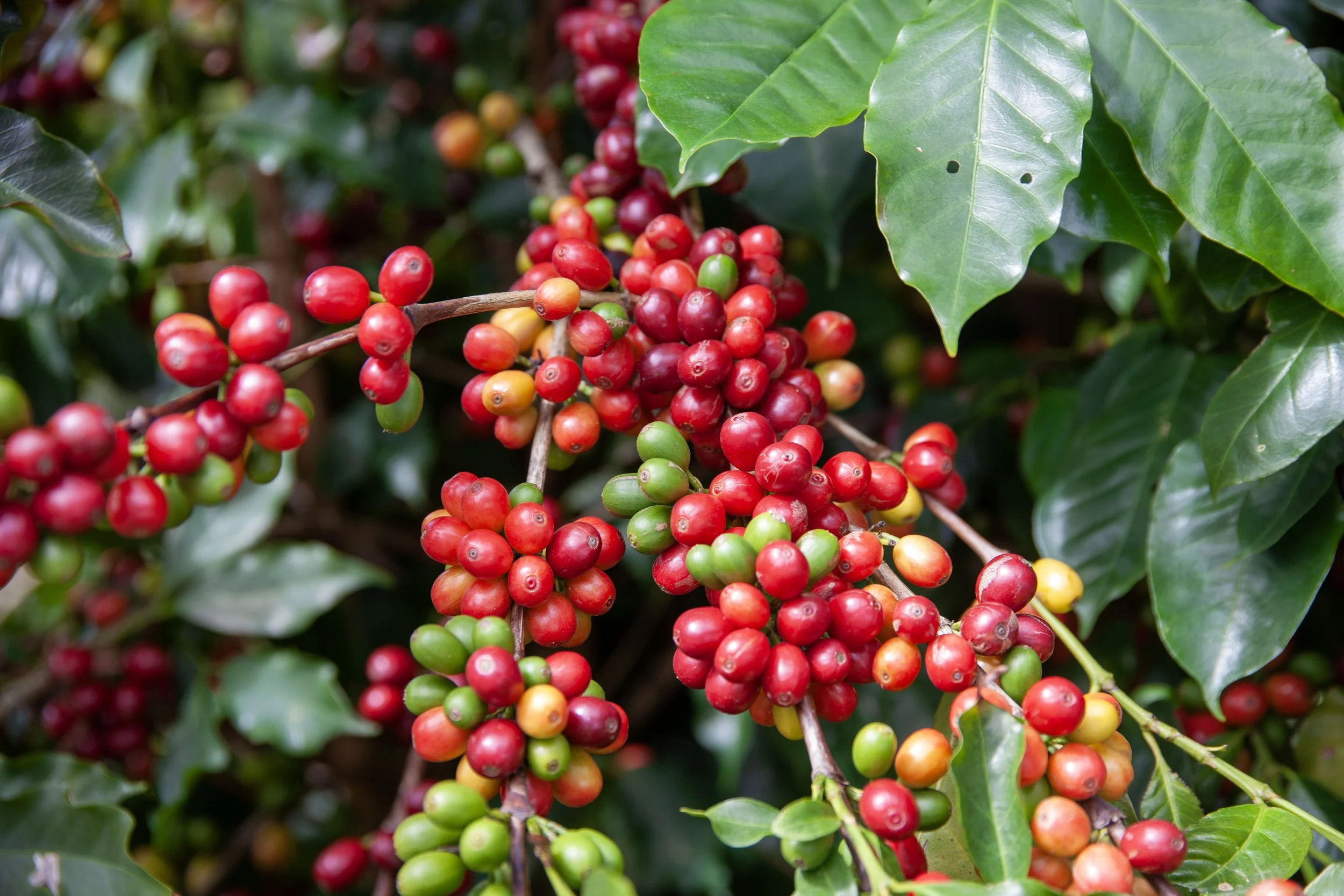 Image 3 of 4
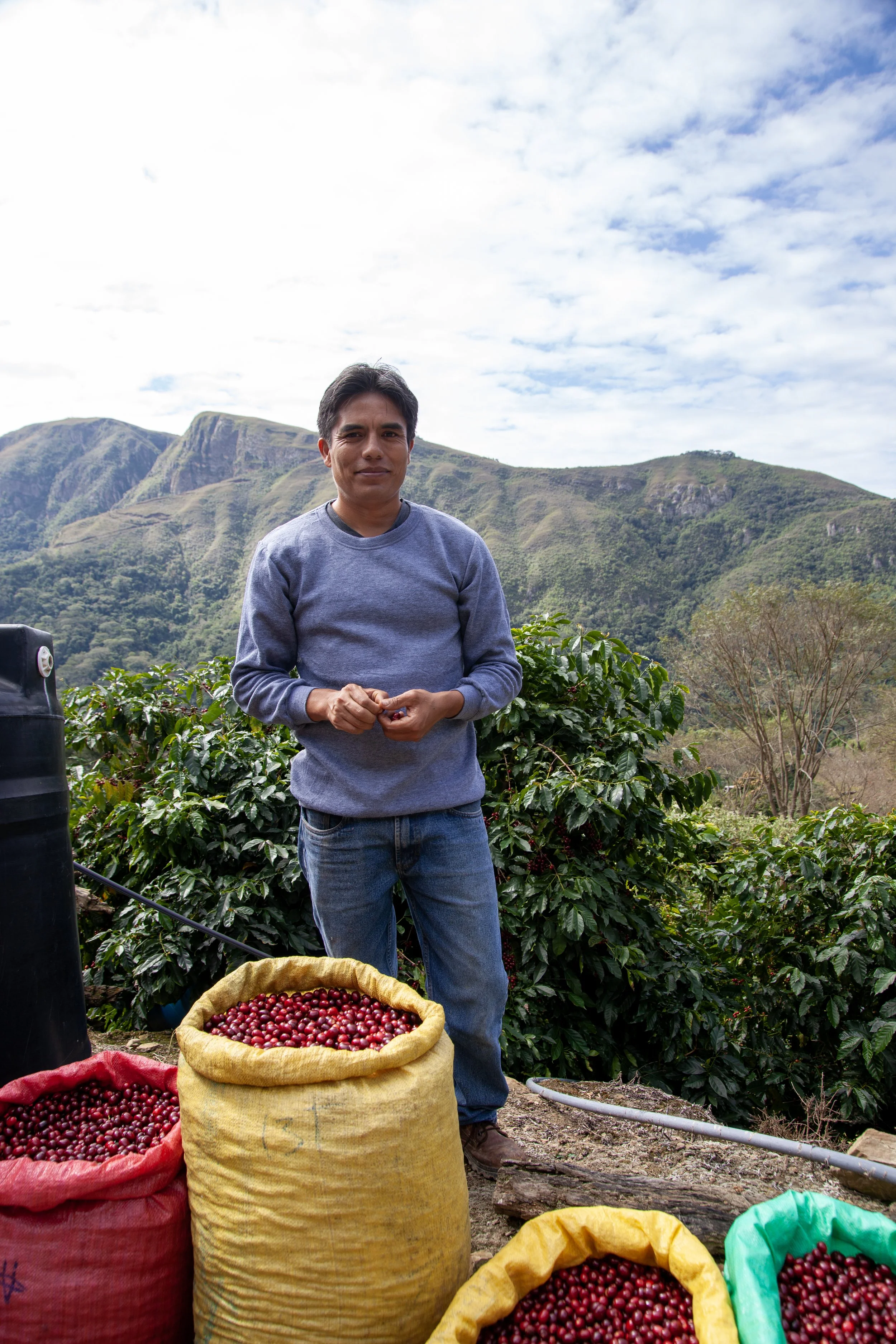 Image 4 of 4
Weight: 100g
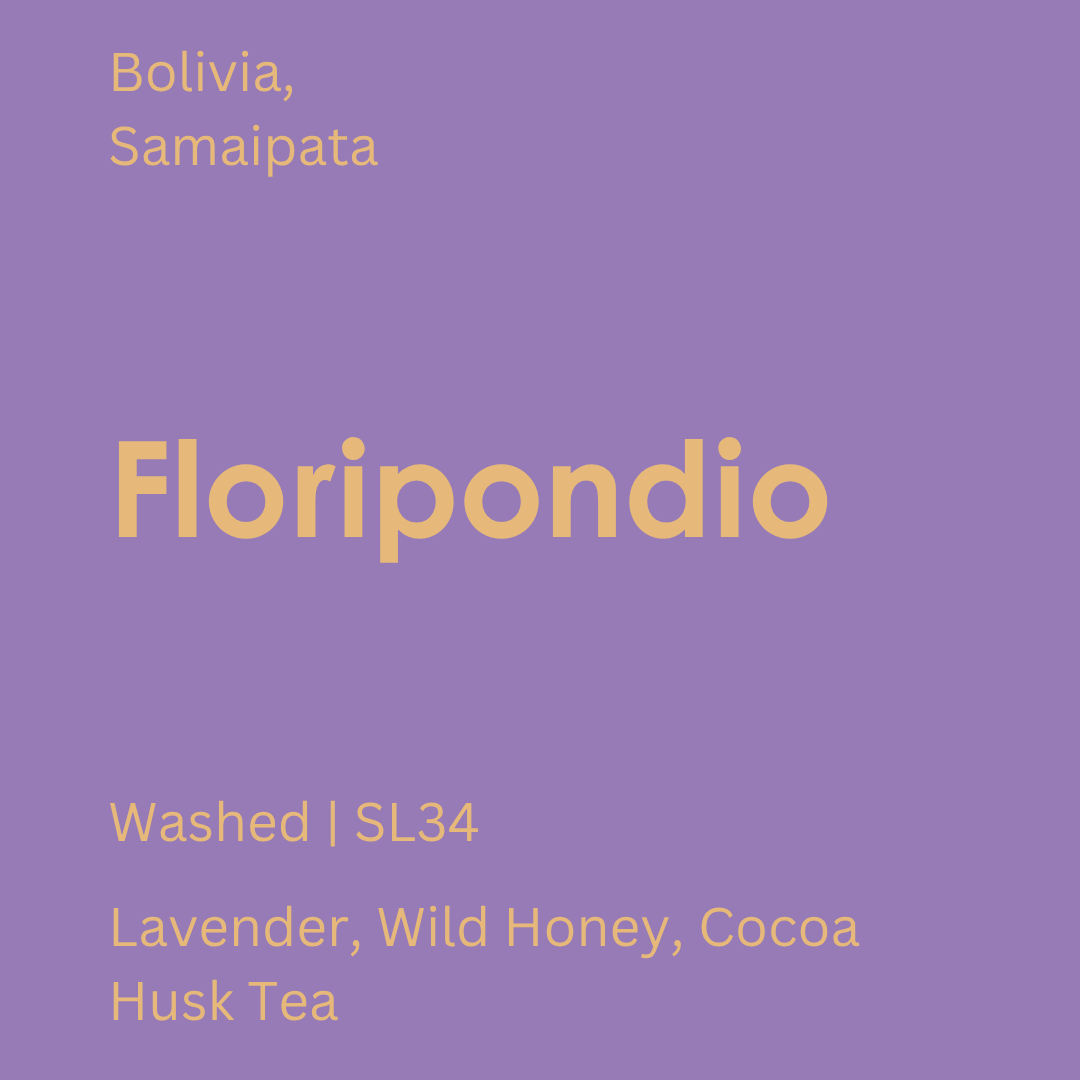
Location: Bolivia, Santa Cruz, Samaipata
Farm Owners: Los Rodriguez Family
Roast Degree: Nordic Light
Processing: Washed
Varietal: SL34
Altitude: 1710m
Crop Year: 2025
Cocoa Husk Tea sweetened with wild honey hits first as it dissipates into a lingering and long lasting note of lavender. As the cup cools fresh tart blackberries interweaves with the honey making for a nicely layered drinking experience.
How This Coffee Was Processed
Cherries are floated and picked for the densest fruits. Following this, the coffee was disinfected, in a similar process used for wine grapes and pulped. The wet parchment was then washed with fresh, clean water to remove any remaining mucilage and dried in one of El Fuerte’s ‘stationary box’ (or coco) dryers for two weeks. These boxes are series of steel containers that are typically used for drying cocoa pods. They use a gentle flow of warm air from below the coffee bed to dry the parchment slowly and evenly. Coffee was stirred manually at regular intervals to further ensure it dried at a uniform rate. The mostly dried parchment was finished off using a ‘guardiola,’ a horizontal, rotating drum that gets rid of moisture by creating a warm, consistent flow of air around the coffee, until it reached 11.5% humidity.
Once the coffee was dry, it was transported to La Paz where it was rested before being milled at Agricafe’s dry mill, La Luna. At this state-of-the-art mill, the coffee was first hulled and sorted using machinery, and then by a team of workers who meticulously sorted the coffee again (this time by hand) under UV and natural light.
Weight: 100g
Location: Bolivia, Santa Cruz, Samaipata
Farm Owners: Los Rodriguez Family
Roast Degree: Nordic Light
Processing: Washed
Varietal: SL34
Altitude: 1710m
Crop Year: 2025
Cocoa Husk Tea sweetened with wild honey hits first as it dissipates into a lingering and long lasting note of lavender. As the cup cools fresh tart blackberries interweaves with the honey making for a nicely layered drinking experience.
How This Coffee Was Processed
Cherries are floated and picked for the densest fruits. Following this, the coffee was disinfected, in a similar process used for wine grapes and pulped. The wet parchment was then washed with fresh, clean water to remove any remaining mucilage and dried in one of El Fuerte’s ‘stationary box’ (or coco) dryers for two weeks. These boxes are series of steel containers that are typically used for drying cocoa pods. They use a gentle flow of warm air from below the coffee bed to dry the parchment slowly and evenly. Coffee was stirred manually at regular intervals to further ensure it dried at a uniform rate. The mostly dried parchment was finished off using a ‘guardiola,’ a horizontal, rotating drum that gets rid of moisture by creating a warm, consistent flow of air around the coffee, until it reached 11.5% humidity.
Once the coffee was dry, it was transported to La Paz where it was rested before being milled at Agricafe’s dry mill, La Luna. At this state-of-the-art mill, the coffee was first hulled and sorted using machinery, and then by a team of workers who meticulously sorted the coffee again (this time by hand) under UV and natural light.